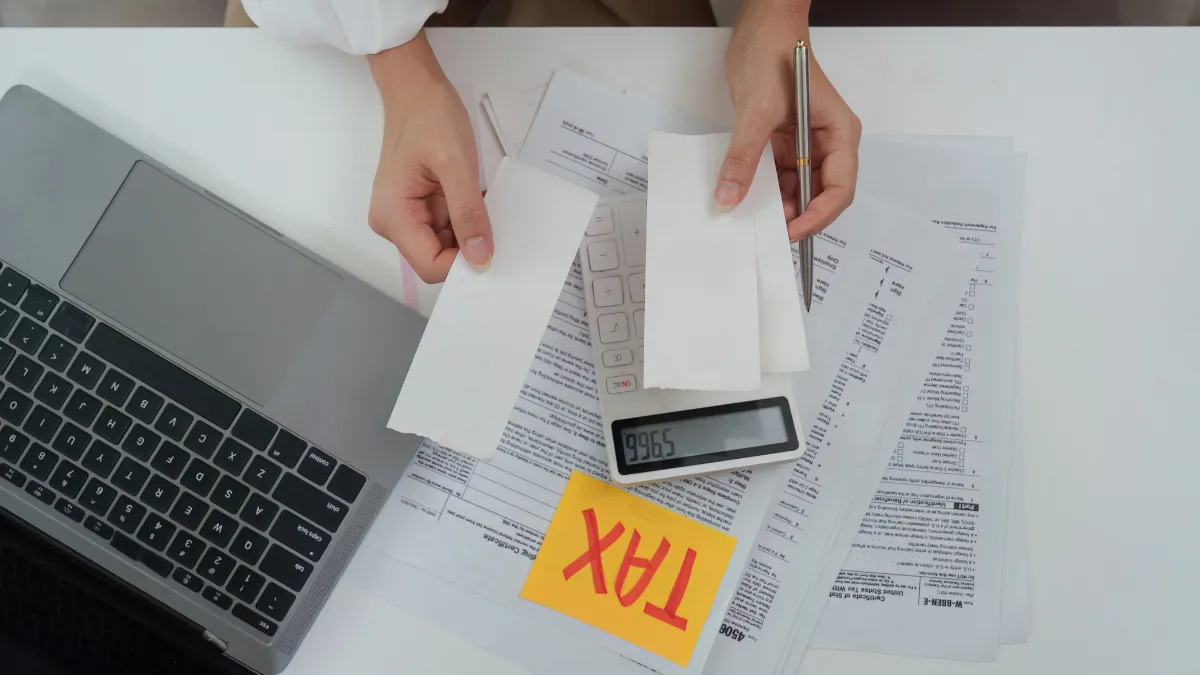
Retail Bookkeeping: Inventory Tracking and POS Reconciliation
Retail businesses have a bookkeeping challenge that many service businesses don't have to deal with:
Inventory.
You can have hundreds or thousands of individual products moving through your business every month. Your point-of-sale system tracks sales. Your payment processor tracks transactions. Your bank records deposits. And your accounting system records financial activity.
All of those systems need to tell a reasonably consistent story.
That's where retail inventory tracking and POS reconciliation become important.
Your POS System Isn't Your General Ledger
Your point-of-sale system is designed to help you run the sales side of your business.
It may track:
Products sold
Quantity sold
Sales revenue
Discounts
Returns
Sales tax
Payment methods
Customer transactions
Your general ledger serves a different purpose.
It records the accounting transactions that ultimately flow into your financial statements.
The two systems need to connect, but they aren't necessarily interchangeable.
Why POS-to-Accounting Reconciliation Matters
Imagine your POS system reports $75,000 in sales for the month.
Your accounting records show $69,000.
That's not something you want to discover months later.
The difference could come from timing, refunds, discounts, payment processing, sales tax, posting errors, or the way transactions are being imported.
The goal isn't simply to make two numbers match.
The goal is to understand why they match — or why they don't.
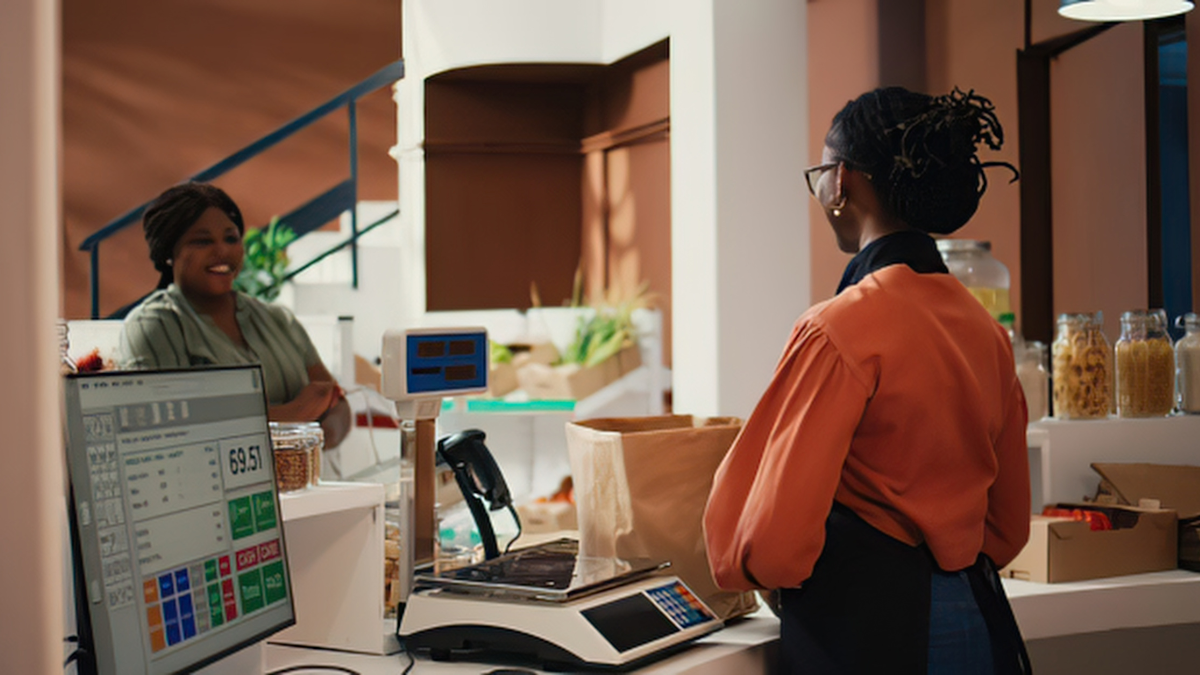
Inventory and the General Ledger
Inventory isn't simply an expense the moment you purchase it.
Inventory is generally recorded as an asset until it is sold, at which point the accounting treatment changes.
That means your inventory records need to work with your accounting records.
This is one reason retail bookkeeping can become complicated quickly.
You need to keep track of both the operational side of inventory and the accounting side.
What Should You Reconcile?
Depending on your POS and accounting setup, you may need to reconcile:
Gross sales
Returns
Discounts
Sales tax
Payment processor fees
Deposits
Inventory purchases
Inventory balances
Cost of goods sold
The exact process will depend on your systems and accounting method.
But the principle remains the same:
Your POS data and your general ledger should tell the same financial story.
Don't Automatically Blame the POS
When numbers don't match, the POS system isn't necessarily wrong.
The issue could be the integration.
It could be an accounting mapping issue.
It could be duplicate imports.
It could be a timing difference.
It could be a transaction that was manually entered.
The first step is identifying the difference rather than assuming the cause.
Build a Regular Reconciliation Process
Retail businesses should establish a consistent reconciliation process.
Depending on transaction volume, this might happen daily, weekly, or monthly.
The more transactions your business processes, the less appealing it becomes to wait until the end of the year to investigate discrepancies.
Small differences are easier to identify when they're still fresh.
What About QuickBooks Online?
QuickBooks Online can be useful for retail businesses, but the setup matters.
Your POS system, payment processors, inventory system, bank accounts, and accounting software need to be configured so that transactions flow into the correct accounts.
That includes having a properly structured chart of accounts.
A good setup can make ongoing bookkeeping much easier.
A poor setup can create months of cleanup.
Final Thought
Retail inventory tracking isn't just about knowing how many products you have on a shelf.
It's about connecting your operational data to your financial records.
When your POS system, inventory records, bank activity, and general ledger are properly reconciled, you have a much clearer picture of sales, inventory, expenses, and profitability.
And if your retail bookkeeping currently involves a lot of spreadsheets and manual detective work, it may be time to review the system rather than simply working harder inside it.
Aurrera Bookkeeping helps business owners organize and maintain accounting systems that provide clearer financial information — including businesses that rely on POS and inventory systems.
